01 / CONNECTION
Friends after sunset
Good conversation can make an ordinary evening feel special. The course explores social ties and belonging as parts of a fuller life.
Live longer. Live better. Make every year count.
Certificate in Longevity Studies explores the choices, habits, and life patterns connected with healthy ageing. Learn about food, movement, sleep, stress, relationships, purpose, and communities where people live long lives.
Understand the science in simple language. Build knowledge you can use to reflect on your own life and have better-informed conversations with others.
COURSE DETAILS
A longer life can be valuable. A life with strength, purpose, close relationships, curiosity, and independence can be even more rewarding. Longevity Studies explores both ideas. It looks at what research can tell us about living longer and about keeping more of our physical, mental, and social well-being as we age.
Enoma’s online Certificate in Longevity Studies introduces learners to the science and study of ageing, lifestyle patterns found in long-lived communities, and everyday practices that may support long-term health. The course brings together ideas from gerontology, nutrition, exercise science, psychology, and wellness education in language intended for general readers.
| Course detail | Information |
|---|---|
| Course name | Certificate in Longevity Studies |
| Institute | Enoma |
| Duration | 6 months, as stated in the course brief |
| Fee | ₹12,900 / US$149 |
| Study mode | Online, with access to a secure course area |
| Learning material | Concise notes, multimedia tutorials, e-books, and practical assignments |
| Student support | Personal messaging and course-related guidance from the course directors |
| Live learning | The course brief lists three or more live lectures on key topics; check the current schedule with Enoma |
| Assessment | Practical assignments and a final theory-based examination, according to the supplied course information |
| Certificate | Awarded by Enoma after successful completion |
| Entry requirements | Applicants must be over 18; no graduation degree is required |
Please note: Longevity Studies is an educational course. It does not replace medical advice, clinical training, or a recognised healthcare qualification. No course can promise a particular lifespan or prevent every illness. The aim is to help learners understand research and make informed choices.
THE BIG IDEA
What helps some people stay active as they grow older? Why do food, movement, sleep, friendships, and purpose feature so often in discussions about healthy ageing? What can we learn from communities where many people reach an advanced age?
Longevity Studies explores questions like these. It brings together ideas about ageing and the everyday conditions that may support health over time. The subject is wider than a list of foods or exercises. It also looks at how people live, manage pressure, connect with others, and make choices within their surroundings.
Enoma's Longevity Studies course reveals the 2700 secrets of people living in 200 places around the world. These secrets cover every single aspect of their lives that has helped them live longer. People studied come from places such as Cyprus, Guam, Martinique, Mokokchung, Ikaria, Isle of Man, Cayman Islands, Japan, Greece, Iceland, Chile, Malta, and 187 other places around the world where people live the longest lives, including several places in India too.
These examples prompt questions about food, culture, movement, family life, and community. One place does not hold a magic answer for everyone, and careful learners look at both patterns and limits.
The course explores lifespan, or how long a person lives, and healthspan, the period spent in good health and with the ability to manage daily activities. It introduces ideas from gerontology, nutrition, physical activity, brain fitness, stress management, and positive psychology. It also considers discipline, silence and quiet time, social connection, mindset, and purpose.
The material is designed as an accessible starting point. You do not need to be a doctor or scientist to begin. Use the lessons to understand key ideas, reflect on habits, and consider which changes may fit your own life. Course knowledge can support informed choices, but it cannot promise a longer life or replace personal advice from a qualified health professional.
You cannot control every part of ageing, but you can learn more about it. Better knowledge can help you ask good questions and make thoughtful plans for the years ahead.
Small moments. Rich lives.
There is no single secret to ageing well. These CSS-made scenes celebrate movement, food, rest, friendship, curiosity, and purpose — themes explored in Longevity Studies.
Good conversation can make an ordinary evening feel special. The course explores social ties and belonging as parts of a fuller life.
Useful work and time outdoors can give a day structure. Explore how routine, movement, and purpose feature in healthy-ageing discussions.
Explore food patterns and nutrition research without expecting one meal or diet to hold every answer.
Learn why movement and balance matter, and why activities should be suited to each person's needs and ability.
Rest is part of the daily rhythm. The course looks at sleep and recovery as subjects for careful, practical learning.
A familiar routine can bring focus and delight. Find ways to notice the small activities that make a day feel meaningful.
Reading, learning, and asking questions can keep curiosity alive at any age. Brain fitness is one of the course topics.
Movement, music, and shared fun belong in conversations about quality of life — not just the number of birthdays.
Healthy ageing can mean adapting activities and surroundings so that people keep participating in life in ways that suit them.
Creative time brings colour to a day. The wider goal is a life with interests, connection, dignity, and room to grow.
These are illustrative scenes, not health advice or a promise of results. People age in different ways. Adapt activities to personal abilities and seek qualified guidance when needed.
WHY LEARN IT
Ageing is not a topic only for older people. Choices in early adulthood, midlife, and later life can all matter. Studying longevity gives you a wider view of health across a lifetime.
The course draws on examples from India and abroad. Looking across settings can show how local customs, food, family life, movement, and the built environment may shape daily routines.
Longevity is often discussed through trends, miracle claims, or single products. This course takes a broader view and invites you to ask what the evidence supports.
The program is online, and the supplied description says the course area is available around the clock during the course period. Confirm access dates before enrolling.
Practical assignments give you a chance to work with the ideas rather than only read about them. You can turn lessons into questions and a plan to review.
Enoma describes a personal messaging system for course-related questions and feedback from the directors. This gives learners a route to seek clarification.
A certificate can show that you completed structured learning in Longevity Studies. It is not a medical licence, a university degree, or a regulated clinical credential.
The course may be a starting point for workshops, writing, public education, or general habit-support work. Any service must match your training and must not include medical promises.
WHAT YOU CAN GAIN
The following are learning opportunities, not promised health results.
The course cannot guarantee that a learner will live longer, feel more energetic, or avoid disease. Outcomes depend on many factors, including genetics, living conditions, access to care, and individual circumstances.
BY THE END
After working through the material and required assessments, learners should aim to be able to:
These outcomes focus on knowledge, planning, and communication. They do not mean every learner will see the same changes in health or will be ready to offer every kind of service listed below.
WHERE IT MAY LEAD
Enoma says learners may use the course as a starting point for healthy-ageing education and basic longevity coaching. The work you can offer depends on prior training, local laws, insurance, and the needs of the people you serve. The certificate alone does not permit medical diagnosis, treatment, or other regulated work.
Possible non-clinical education and wellness activities include:
Income is not assured. A service may require more training, practical experience, business planning, or permission than this certificate provides. Describe your qualifications honestly and stay within your competence.
WHO IT IS FOR
Health-conscious adults who want a bigger picture of healthy ageing and more informed daily choices.
Wellness coaches and educators who want introductory longevity knowledge to complement existing work, within their professional limits.
Healthcare and allied-health professionals who want a broad, non-clinical overview to sit alongside—not replace—formal training.
Students and lifelong learners interested in biology, ageing, nutrition, psychology, and the way communities shape health.
Fitness and movement enthusiasts who want to think about mobility and daily function across the years, not only short-term performance.
People approaching midlife or retirement who want to plan for more independence, meaning, and connection.
Older adults, family members, and caregivers who want to learn about healthy ageing and supporting day-to-day well-being. The course does not replace advice from a clinician.
Community leaders, workplace organisers, writers, and presenters who want to build knowledge before arranging educational sessions or making content about longevity.
The course is open to adults over 18 and does not require a graduation degree. A medical or science background is not stated as an entry requirement.
YOUR LEARNING PATH
The course brief describes seven main learning areas. Each offers a different way to think about ageing and daily life.
Meet key terms and questions. Learn why researchers study ageing and why the number of years lived is not the only measure of well-being. Enoma’s description says this area includes around 200 short notes.
Explore a broad collection of observations from places where people are reported to live long lives. Consider what the examples may teach about routines, culture, food, relationships, movement, and purpose. Treat them as learning points, not guarantees.
Study why keeping the mind active matters. Topics may include learning, memory, attention, curiosity, reading, problem-solving, and mental engagement.
Reflect on skills for responsible educational work, such as listening, clear communication, preparation, care, professionalism, and knowing when to refer a question to an expert. The brief refers to more than 300 qualities and skills.
Look at how people respond to pressure and how routines, rest, support, and coping skills relate to well-being. This topic does not replace counselling or medical care.
Consider how repeated actions become routines. Study realistic goal-setting and consistency without turning habits into harsh rules or a demand for perfection.
Explore quiet, reflection, and time away from constant noise as practices some people find helpful. Think critically about claims made for them; quiet time should not be described as a proven way to extend life.
EXPLORE EACH SUBJECT
The detailed learning map can include these areas. Check the current course portal for the final order and lesson layout.
Topics are for learning and discussion. General course material cannot decide which diet, activity plan, medicine, or treatment is suitable for one person. Seek qualified advice for personal health decisions.
THE LEARNING EXPERIENCE
Study through Enoma’s course area rather than travelling to a classroom. Day-and-night access during enrolment. Check the terms for exact start and end dates.
More than 2,000 pages of notes, plus short notes, e-books, and multimedia resources. Confirm the current quantity and format of each resource before enrolling.
Multimedia lessons offer different ways to explore the topics.
Students can use a personal messaging system for course questions, updates, assignment feedback, and communication with the directors. Replies are typically provided within 24 hours.
Three or more live lectures and also refers to monthly sessions.
Two practical assignments.
A theory-based final examination worth 100 marks, with a three-hour time limit on the course forum.
The program is described as director-led. Kirti DSilva and Savio DSilva are named as mentors who contribute to learning material, student questions, and assignments.
Learners who meet the stated requirements receive an Enoma Certificate in Longevity Studies. It recognises course completion; it is not a state licence or clinical qualification.
The course may help you decide what to study next or how to share basic information in educational settings. Use reliable sources and keep professional boundaries clear.
The people behind the course
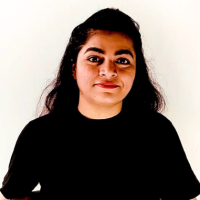
Founder · Student mentor
Kirti DSilva is a teacher, counsellor, and management professional with a Master’s degree in Commerce. Around 20 years of experience coordinating with students and more than 15 years of involvement in course content and student queries. She is a founder of Enoma and has helped develop its training programs, including Longevity Studies.
Kirti works on audio and video learning materials and helps organise assignments, live lectures, and study sessions. She is also involved in research connected with Enoma’s programs. She mentors students during their course tenure.

Chief founder · Course mentor
Savio DSilva is a psychotherapist, counsellor, coach, and soft-skills trainer with a degree in Psychology. More than 25 years of counselling and coaching experience, around 30 years in soft-skills training, and work with thousands of students and clients. He has supported people in many countries through online and face-to-face formats.
Savio has appeared in print, broadcast, and online media as a counsellor, life coach, motivational speaker, and trainer. He is Enoma’s chief founder and, personally mentors students during the program.
COURSE AWARD
Learners who complete the course requirements are awarded a Certificate in Longevity Studies by Enoma. The certificate is sent by courier within 15 days of course completion and that there is no extra charge for this delivery. Confirm the delivery address and current dispatch process before finishing the course.
The certificate can be listed as evidence of completing an online course in Longevity Studies. It may support a learner’s personal development or a wider wellness education profile. Its value depends on how it is used and on the rules that apply to the work being offered.
The certification should not be described as a medical licence, a degree, or a qualification to diagnose illness, prescribe medicines, provide clinical treatment, or perform other regulated work. A person who wishes to become a professional longevity coach or consultant may need further study, supervised practice, business preparation, and other qualifications. Always describe the certificate and your experience honestly.
BEFORE YOU BEGIN
It is an online Enoma course covering healthy ageing, longevity research, lifestyle habits, brain fitness, stress management, and related topics. It is educational, not medical training.
Six months.
₹12,900 or US$149.
A graduation degree and medical background are not required, applicants should be over 18.
Select “Register Now,” complete the admission form, and pay through an available method such as UPI, card, or net banking. The activation email and fee receipt arrive within five hours.
After activation, learners receive access to the online course area. 24/7 access during the course period. Keep login details private and check your access dates.
Two practical assignments and a theory-based final exam worth 100 marks, with a three-hour time limit on the course forum.
Students receive an Enoma Certificate in Longevity Studies after successful completion. The certificate is sent by courier within 15 days, with no extra courier charge.
No. It does not replace a medical degree, professional registration, or a licence needed to provide healthcare. Do not diagnose or treat health conditions based only on this course.
Some learners may explore longevity consultancy, longevity coaching, healthy aging seminars, wellness education, workshops, writing, or general habit-support services. Income is not guaranteed. Work must match your competence, existing qualifications, local laws, and professional boundaries.
Emerging research on longevity-related compounds may be discussed, but specific medicines or supplements are not prescribed. Do not start, stop, or change treatment based on course material. Ask a qualified healthcare professional about personal medical choices.
The students can use a private messaging system or course forum. Replies are typically provided within 24 hours.
The fees are non-refundable because course materials become available after access is granted.
Call 9820 262 263 or use the 'Contact Us' button on this page.
KEEP IT GROUNDED
It is tempting to think that a long life depends on one special food, perfect routine, or hidden secret. The picture is more complex. Genes matter, as do health conditions, living and working conditions, access to care, relationships, income, and chance. Research can point to patterns, but it cannot promise the same result for everyone.
Learn with curiosity. Ask where a claim came from. Look for evidence, not only a moving story. Notice the difference between a habit linked with better health and a treatment proven for a specific condition. Be wary of products or programs that promise to stop ageing or guarantee extra years.
For personal decisions, seek advice from qualified professionals who understand your situation. Choose changes that fit your abilities and needs. Healthy living should not become a source of fear or guilt; a small step you can keep may be more useful than a strict plan that does not fit real life.
Longevity Studies offers a structured way to explore these questions. Use what you learn to understand the subject, reflect on your habits, and support informed conversations about ageing. The aim is not to control every year ahead, but to make better-informed choices with the years you have.
YOUR NEXT CHAPTER
Learn today for a healthier tomorrow. Explore the science and everyday patterns linked with healthy ageing. Build your knowledge. Ask better questions. Make a personal plan that suits your life.
The Certificate in Longevity Studies from Enoma is an online learning option for adults who want to understand healthy ageing and explore its links with food, movement, sleep, stress, relationships, and purpose. Study the topics, complete the activities, and decide how the learning can serve your personal or professional goals.
Join the course, read the details, and pay.
Your future is shaped by many things, and no course can promise what it will hold. Learning is one step you can take now. Start with questions, keep an open mind, and choose habits that support a thoughtful, healthy, and meaningful life.